
Comprehensive vs Collision Arizona: How to Choose in 2026
Comprehensive insurance covers non-collision events like theft, fire, or weather damage, while collision insurance pays for repairs after your vehicle hits another car or object. In Arizona and Texas, combining these provides "full coverage," protecting your financial investment regardless of whether the damage was caused by an accident or nature.
What is the main difference between comprehensive and collision?
Understanding the distinction between these two coverages is the first step toward securing the right Auto Insurance policy. While both are designed to repair or replace your vehicle, the "trigger" for a claim is what sets them apart.
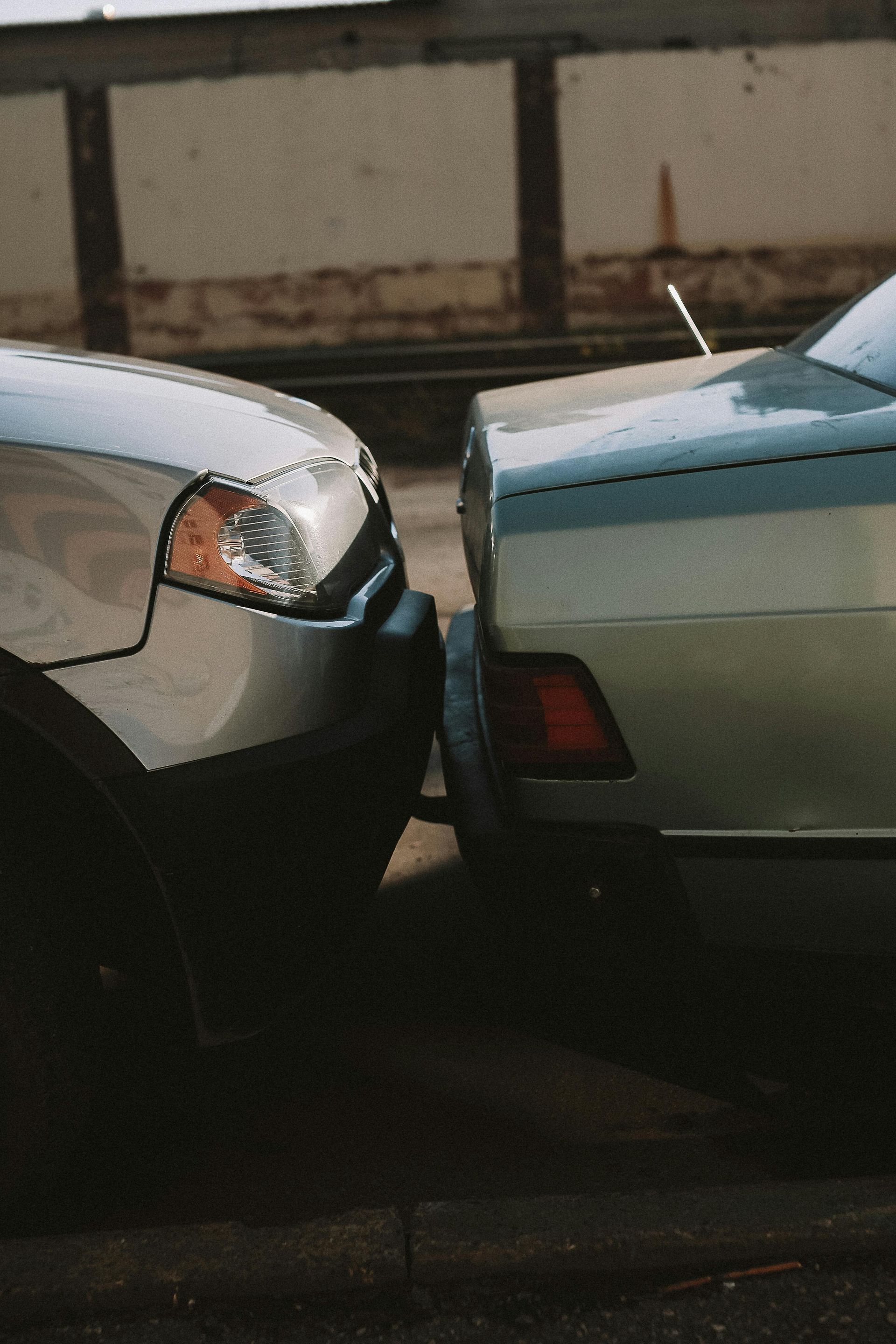
Collision Insurance is strictly event-based regarding impacts. It kicks in when your vehicle collides with another vehicle or a stationary object, such as a fence, guardrail, or telephone pole. It also covers single-car accidents like rollovers. Because Arizona and Texas have high-traffic metropolitan areas like Phoenix and Dallas, collision coverage is often the most used portion of a policy for daily commuters.
Comprehensive Insurance , often referred to as "other than collision," covers events that are usually out of the driver’s control. This includes theft, vandalism, fire, explosions, and damage from falling objects (like a tree branch). Importantly for drivers in the Southwest, it also covers damage caused by animals—such as hitting a deer on a rural highway—and weather-related incidents like hail or flooding.
Many drivers assume that having "full coverage" is a legal requirement. In reality, state laws in Arizona and Texas only require liability insurance to cover damage you cause to others. However, if you are financing or leasing your vehicle, your lender will almost certainly require both comprehensive and collision to protect their asset until the loan is paid off.
Comprehensive vs Collision Arizona: Understanding Your Risks
When evaluating comprehensive vs collision Arizona needs, you have to consider the unique environmental factors of the Grand Canyon State. Arizona drivers face specific risks that make certain coverages more valuable than they might be in other parts of the country.
- Monsoon Season and Flash Floods: During the summer months, Arizona experiences intense monsoons. If your car is caught in a flash flood or damaged by a microburst, comprehensive insurance is the only coverage that will pay for the repairs or total loss.
- Windshield Damage: Arizona is notorious for gravel and rocks on the highways. Many comprehensive policies in Arizona offer a "Full Glass" endorsement, allowing you to replace a cracked windshield with a $0 deductible.
- Dust Storms (Haboobs): Extreme dust can cause mechanical issues or abrasive damage to a vehicle's exterior. Again, this falls under the comprehensive umbrella.
- High Theft Rates: Urban areas like Phoenix and Tucson can have higher rates of vehicle theft or catalytic converter theft. Comprehensive coverage ensures you aren't left empty-handed if your vehicle disappears.
- Traffic Density: With the rapid growth in cities like Maricopa and Casa Grande, collision risks are increasing as more drivers hit the road every day.
How do claim examples differ between these coverages?
To better understand how these policies work in the real world, let’s look at specific scenarios common to drivers in the Southwest. These examples highlight which coverage applies when you need to file a claim.
Collision Claim Scenarios
- The Intersection Incident: You are driving through downtown Dallas and accidentally rear-end a vehicle that stopped suddenly. Your collision coverage pays for the front-end damage to your car, while your liability coverage pays for the other driver's bumper.
- The Parking Lot Scrape: You misjudge a turn in a tight parking garage and scrape your side door against a concrete pillar. Even though no other car was involved, this is a collision claim.
- The Winter Skid: On a rare icy morning in North Texas, your car slides off the road and hits a ditch. This is considered a collision with the ground/earth and is covered under collision insurance.
Comprehensive Claim Scenarios
- The Texas Hailstorm: A sudden storm in North Texas drops golf-ball-sized hail, denting your hood and shattering your sunroof. Since this is an "act of God," it is a comprehensive claim.
- The Desert Vandalism: You leave your car at a trailhead while hiking near Maricopa , and return to find someone has keyed the side of your vehicle. Vandalism is covered under comprehensive.
- The Unexpected Encounter: A javelina or deer runs across a rural road at night, and you cannot avoid the impact. While it is a "collision" in the literal sense, insurance companies categorize animal strikes under comprehensive because they are unpredictable.
When should you adjust your deductible based on vehicle value?
Setting your deductible is a balancing act between your monthly budget and your out-of-pocket risk. A deductible is the amount you pay before your insurance company covers the rest of the bill. For example, if you have a $500 deductible and $3,000 in damage, you pay $500 and the insurer pays $2,500.
As your vehicle ages and its market value decreases, you should re-evaluate your deductible levels. Here is how to approach it:
- The 10% Rule: Many experts suggest that if your annual premium for comprehensive and collision coverage exceeds 10% of your car's total value, it might be time to drop those coverages or significantly raise your deductible.
- High-Value Vehicles: For a brand-new vehicle or a luxury car, a lower deductible (like $250 or $500) is often preferred because repair costs are exceptionally high. You want the insurance company to shoulder as much of the burden as possible.
- Older Vehicles: If you drive a car worth $3,000 and your deductible is $1,000, you are essentially self-insuring a third of the car's value. In this case, raising the deductible to $1,500 might lower your monthly premium enough to save you significant money over a year.
- Emergency Fund Alignment: Your deductible should never be higher than what you can afford to pay tomorrow. If you don't have $1,000 in savings, don't choose a $1,000 deductible just to save $10 a month on your premium.

Is collision insurance worth it for older vehicles in Texas and Arizona?
One of the most common questions we receive at Insurance Partners Kansas is whether a client should keep "full coverage" on a vehicle that is 10 years or older. The answer depends on your financial situation and the vehicle's Actual Cash Value (ACV).
In both Arizona and Texas, the insurance company will only pay up to the ACV of the vehicle minus your deductible. If your car is worth $2,500 and you have a $500 deductible, the maximum check you will ever receive is $2,000. If the cost to add collision and comprehensive to your policy is $600 per year, you have to ask if that $2,000 potential payout is worth the $600 annual cost.
However, there is a catch. If you drop these coverages and you are at fault in an accident, you will have to pay for a replacement vehicle entirely out of pocket. For many people in Casa Grande or Tucson , their car is their lifeline to work. If you cannot afford to buy a new car tomorrow if yours is totaled, it is often better to keep the coverage but choose a higher deductible to keep the price manageable.
How weather and regional factors impact your auto insurance choices
Geography plays a massive role in your premium and your coverage needs. In Texas, for example, the "Hail Alley" region requires robust comprehensive coverage because the frequency of claims is so high. If you live in a coastal area of Texas, flood insurance and comprehensive coverage are non-negotiable due to hurricane risks.
In Arizona, the heat itself can be a factor. While heat damage to an engine isn't usually a covered insurance claim (that falls under maintenance), the heat leads to more tire blowouts on the highway. A blowout that causes you to hit a guardrail would be a collision claim. Being prepared for these regional specifics ensures you aren't left with a massive bill after a common local incident.
Steps to choosing the right coverage for your budget
- Determine your car's value: Use a tool like Kelly Blue Book to find your car's ACV.
- Analyze your daily commute: Are you driving in high-traffic areas like Phoenix ? If so, collision is vital.
- Check your loan status: If you owe money, you must keep both coverages.
- Compare deductible options: Ask your agent to show you the price difference between a $500 and $1,000 deductible.
- Review annually: Your insurance needs change as your car ages and your financial situation improves.
Summary: Protecting Your Vehicle in Arizona and Texas
Choosing between comprehensive and collision doesn't have to be a "one or the other" decision. For most drivers, a combination of both provides the most secure safety net. While collision protects you from the errors of other drivers and your own mistakes on the road, comprehensive protects you from the unpredictable elements of nature and crime that are so prevalent in the Southwest.
Key Takeaways:
- Collision covers accidents with objects or other cars.
- Comprehensive covers weather, theft, and animals.
- Lenders usually require both for financed vehicles.
- Deductibles should be adjusted based on the vehicle's current market value.
- Arizona drivers should prioritize glass and flood coverage within their comprehensive policy.
If you are ready to find a policy that fits your specific needs in Arizona or Texas, our team is here to help. At Insurance Partners Kansas, we specialize in personalized service that looks at your whole picture. Contact Us today or visit our Auto Insurance page to start a quote and ensure you have the protection you deserve for the road ahead.